News

From the level of the tip of the tongue to the adaptation to the situation

2026-01-22 0 Leave me a message

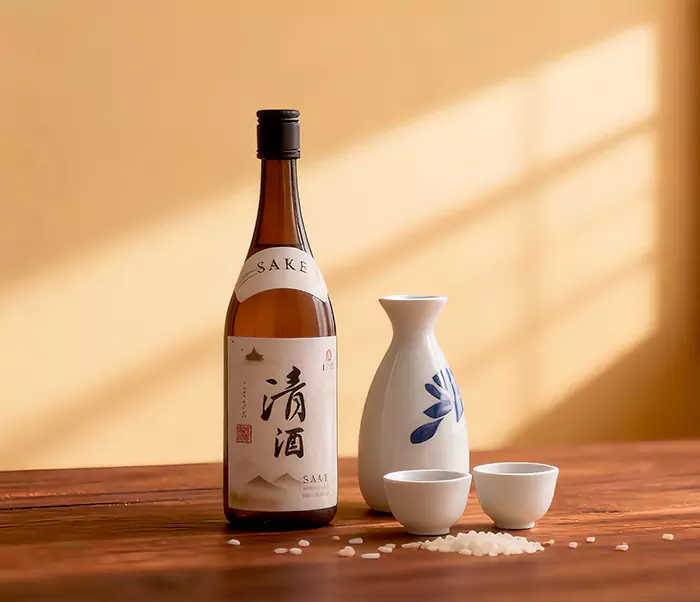
The flavor differences of sake are essentially due to the subtle distinctions in brewing techniques and raw material processing, especially the polished rice ratio (the proportion of rice remaining after grinding) and the fermentation process, which directly determine the aroma and taste of the liquor. Shochu, as the most widely accepted category, features a rich core of floral and fruity scents, often including fresh aromas of honeydew melon, apples, and white peaches. It is smooth and refreshing on the palate, with a short and crisp aftertaste. Most of these liquors are of the junmai or junmai ginjo grades, with a lower polished rice ratio, where the outer layer of the rice grains is fully ground, retaining the core starch part. After fermentation, they naturally release rich fruity aromas, as if concentrating the essence of a spring orchard in the liquor.

Unlike the expansive aroma of shochu, saishu follows a "light and transparent" approach. Its aroma is delicate and restrained, with pure rice fragrance as the base. The taste is light and smooth, almost without a burden, and the aftertaste is short but clean and crisp. As a "universal player" in sake, saishu is mostly made from original brewing or ordinary pure rice, with affordable prices and a wide range of suitable scenarios. The sweet and slightly sour balance at the moment of consumption is just right, as if a gust of summer breeze passes over the tongue. Shujo is the representative of the traditional flavor of sake, focusing on the essence of the rice (savory flavor), with an aroma leaning towards the mellowness of mature rice, mochi, and dairy products. After tasting, the liquor body is full and rich, with a long aftertaste. The mature sake, which has undergone long-term maturation, has already lost the freshness of fresh sake. The liquor turns amber in color, and the aroma transforms into a complex mixture of nuts, spices, and caramel, with a thick and honey-like texture. Each sip can reveal the depth of time's accumulation.

"Temperature is the flavor magician of sake." A seasoned sommelier in the industry stated that the flavor of the same sake can undergo significant changes at different temperatures. For sake with a strong aroma and those with a refreshing taste, chilled drinking is the best choice - sake with a strong aroma is best chilled to 10-15℃. Low temperatures can lock in the floral and fruity aromas, and when paired with light ingredients such as raw fish, seafood salad, etc., it can enhance the freshness without masking the original flavor of the ingredients; for sake with a refreshing taste, it can be fully chilled to 5-10℃. Whether paired with vegetables, tofu, or simple salt-baked seafood, it can dissolve the greasiness with its refreshing taste.

Steaming the wine can better enhance its charm. Heat it to 40-45℃, and the rice fragrance and flavor will fully spread out. The wine body becomes soft and smooth, suitable for pairing with Shikibu Ramen, tempura, and Chinese dishes with rich oil and red sauce. The warm wine can perfectly blend with the rich flavors of the heavy ingredients, especially suitable for consumption in autumn and winter. It should be noted that high-quality wines with delicate aromas such as Ginjo and Junmai should not be heated above this temperature, as it will damage their delicate aroma and produce a pungent alcohol smell. Mature wine is best enjoyed at a normal temperature of around 20℃, like tasting whisky, sipping slowly. It can be paired with cheese, nuts, or fermented foods, and the complex flavors can complement each other, making it suitable as a post-meal drink.

Nowadays, sake is no longer limited to being paired with traditional Japanese cuisine. Its diverse flavors and flexible drinking methods are gradually adapting to more scenarios. In summer, chilled sake with ice buckets; in autumn, room-temperature mature sake paired with cheese; in winter, warm and mellow sake to warm the body; in spring, refreshing sake to accompany light food. A single sake can connect the taste experiences of the four seasons. Whether it's a beginner or a seasoned enthusiast, they can all find the cup that suits their mood and situation within the flavor world of sake.


Related News
Leave me a message
X
We use cookies to offer you a better browsing experience, analyze site traffic and personalize content. By using this site, you agree to our use of cookies. Privacy Policy
Reject Accept