News

How Does Rice Cooking Wine Improve Flavor and Quality in Everyday Cooking?

2026-07-28 0 Leave me a message

Article Summary

Rice Cooking Wine is an essential ingredient widely used in Asian cuisine to enhance aroma, remove unwanted odors, soften ingredients, and create deeper layers of flavor. For professional chefs, food manufacturers, and home cooks, choosing the right cooking wine directly affects the taste, consistency, and quality of finished dishes.

This article explains how Rice Cooking Wine works, why it plays an important role in cooking, how to select a suitable product, and how Ningbo ALA Rice Wine Co., Ltd. provides reliable solutions for customers seeking high-quality cooking ingredients. From traditional recipes to modern food production, understanding the characteristics of cooking wine helps users achieve better culinary results.

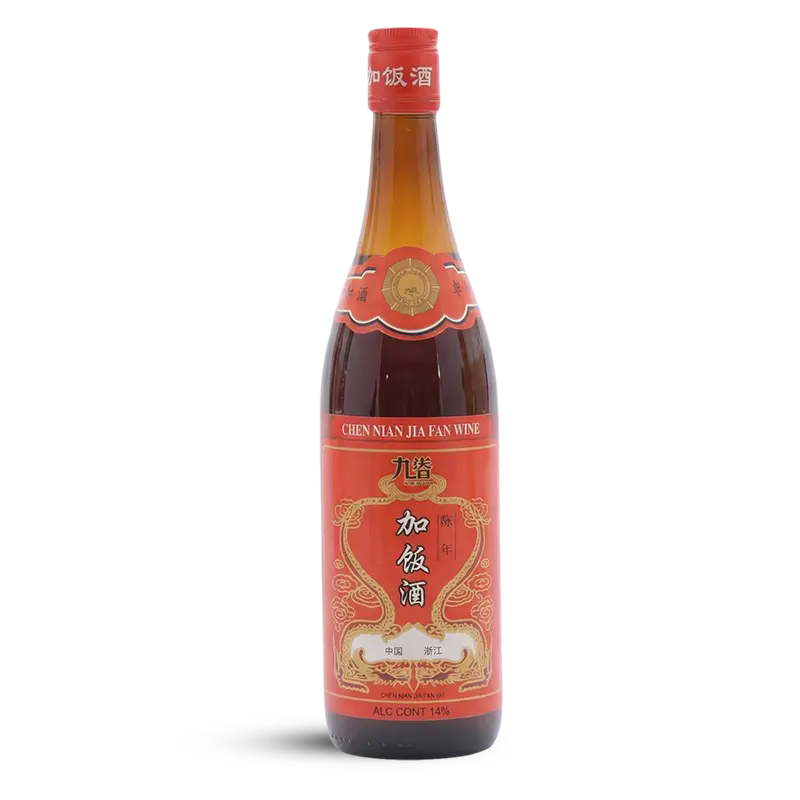
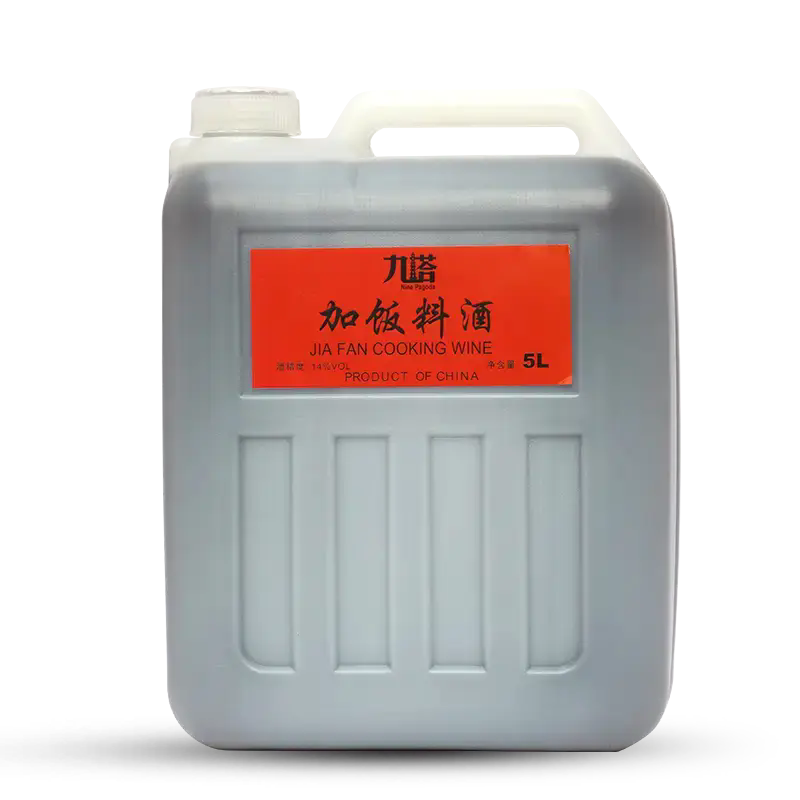
640ML Rice Cooking Wine

Table of Contents


1. Introduction to Rice Cooking Wine

Cooking is not only about combining ingredients but also about balancing flavors, improving textures, and creating appealing aromas. Rice Cooking Wine has become a key seasoning ingredient because it provides unique flavor enhancement that ordinary seasonings cannot achieve.

Made mainly from fermented rice, Rice Cooking Wine contains natural aromatic compounds that help bring out the original taste of meat, seafood, vegetables, and sauces. It is especially popular in Asian cooking traditions where subtle fragrance and balanced flavor are highly valued.

Many consumers face common cooking challenges, including unpleasant meat odors, dull flavors, and inconsistent results between dishes. A properly produced Rice Cooking Wine helps solve these problems by adding a mild fermented aroma and improving overall taste performance.


2. How Does Rice Cooking Wine Work During Cooking?

Rice Cooking Wine improves dishes through several natural processes. Understanding these functions allows users to apply it more effectively.

Function How It Helps Cooking
Flavor Enhancement Adds a gentle fermented aroma and creates richer taste layers.
Odor Reduction Helps reduce fishy smells and strong raw meat odors.
Texture Improvement Supports tenderizing effects when used with meat and seafood.
Aroma Balance Combines different ingredients into a smoother overall flavor.
Seasoning Support Improves the performance of sauces, marinades, and cooking mixtures.

During cooking, the aromatic components of Rice Cooking Wine interact with food ingredients. Heat allows these compounds to spread evenly, creating a more attractive smell and taste. When used in marinades, it can penetrate ingredients more effectively and help create a softer texture.


3. Main Benefits of Using Rice Cooking Wine

Using high-quality Rice Cooking Wine provides multiple advantages for different cooking environments.

  • Enhances Food Aroma: Rice Cooking Wine adds a natural fragrance that improves the sensory experience of dishes.
  • Removes Unwanted Flavors: It is commonly used to reduce strong smells from seafood, poultry, and meat products.
  • Creates Professional Taste: Restaurants and food manufacturers rely on cooking wine to maintain stable flavor standards.
  • Supports Recipe Consistency: A reliable cooking wine formula helps achieve repeatable results in large-scale production.
  • Improves Ingredient Compatibility: It helps different ingredients blend together more smoothly.

For commercial kitchens, consistency is one of the biggest challenges. Using a dependable Rice Cooking Wine supplier allows businesses to maintain the same flavor profile across different batches and locations.


4. How to Choose the Right Rice Cooking Wine

Selecting the right cooking wine requires attention to several important factors. Not every product provides the same performance, and quality differences can influence final cooking results.

Selection Factor Important Consideration
Raw Materials High-quality rice and carefully selected ingredients influence flavor and aroma.
Fermentation Process Proper fermentation helps create balanced taste characteristics.
Production Standards Strict quality control ensures product stability and safety.
Application Needs Different recipes may require different flavor strengths.
Packaging Options Suitable packaging supports storage convenience and transportation.

For home users, a balanced flavor profile is usually preferred. For restaurants and food processing companies, stability, supply capacity, and consistent quality are equally important.


5. Common Applications of Rice Cooking Wine

Rice Cooking Wine is widely used across many food categories because of its versatile characteristics.

  • Meat Dishes: Used for marinating pork, beef, chicken, and other meats to improve tenderness and aroma.
  • Seafood Preparation: Helps reduce seafood odors while maintaining fresh flavors.
  • Stir-Fry Cooking: Adds fragrance and improves sauce integration.
  • Soup and Stew Recipes: Creates deeper and more complex flavor profiles.
  • Food Manufacturing: Used in prepared foods, sauces, and seasoning systems.

Because of its wide application range, Rice Cooking Wine is an important ingredient for both traditional cooking and modern food production.


6. Quality Factors That Define Premium Rice Cooking Wine

A premium Rice Cooking Wine depends on careful production management from ingredient selection to final packaging.

Quality Element Impact on Product Performance
Ingredient Selection Determines basic flavor, aroma, and overall product quality.
Manufacturing Technology Ensures stable fermentation and consistent characteristics.
Quality Inspection Helps maintain safety and reliability.
Storage Management Protects product performance during transportation and use.

Customers increasingly require food ingredients that combine traditional taste with modern quality management. Manufacturers must therefore focus on both authentic flavor and dependable production systems.


7. Rice Cooking Wine Compared with Other Cooking Seasonings

Product Type Main Purpose Flavor Characteristics
Rice Cooking Wine Enhances aroma and reduces unwanted odors Natural fermented fragrance with balanced taste
Vinegar Adds acidity Sour flavor profile
Soy Sauce Adds saltiness and color Savory and salty taste
Spices Adds specific aromas Strong individual flavors

Rice Cooking Wine does not replace other seasonings. Instead, it works together with different ingredients to create more complete and balanced dishes.


8. Why Choose Ningbo ALA Rice Wine Co., Ltd.

Ningbo ALA Rice Wine Co., Ltd. focuses on providing high-quality Rice Cooking Wine products that meet the needs of global customers. With attention to traditional fermentation techniques and modern production management, the company aims to deliver reliable cooking ingredients with consistent flavor performance.

The company understands that customers need more than just a cooking ingredient. They need stable supply, dependable quality, and products suitable for different culinary applications. Ningbo ALA Rice Wine Co., Ltd. continues to improve production processes and quality control systems to support customers in restaurants, food businesses, and retail markets.

  • Professional experience in rice wine production
  • Focus on product consistency and quality management
  • Suitable solutions for different cooking applications
  • Commitment to customer satisfaction and long-term cooperation

By combining traditional flavor knowledge with modern manufacturing capabilities, Ningbo ALA Rice Wine Co., Ltd. provides Rice Cooking Wine solutions designed for customers who value quality and reliability.


9. Frequently Asked Questions

Q1: What is Rice Cooking Wine used for?

Rice Cooking Wine is mainly used to improve aroma, reduce unwanted odors, enhance flavor, and support better texture in cooked foods.

Q2: Can Rice Cooking Wine be used for meat and seafood?

Yes. It is commonly used for marinating meat, poultry, and seafood because it helps balance flavors and reduce strong smells.

Q3: Does Rice Cooking Wine improve food texture?

When used properly, Rice Cooking Wine can help create softer and more enjoyable textures, especially in marinated dishes.

Q4: How should Rice Cooking Wine be stored?

It should generally be stored in a cool and dry place according to the manufacturer's storage recommendations.

Q5: Why choose Ningbo ALA Rice Wine Co., Ltd.?

Ningbo ALA Rice Wine Co., Ltd. provides reliable Rice Cooking Wine products supported by professional production experience and strict quality management.


Conclusion

Rice Cooking Wine plays an important role in improving cooking quality by enhancing aroma, balancing flavors, and supporting better food preparation results. Whether used in home kitchens, restaurants, or food manufacturing, choosing a dependable product can make a significant difference in final taste performance.

Ningbo ALA Rice Wine Co., Ltd. is committed to providing high-quality Rice Cooking Wine solutions for customers worldwide. If you are looking for a reliable partner and premium cooking wine products, please contact us to discuss your requirements and discover suitable solutions.

Related News
Leave me a message
X
We use cookies to offer you a better browsing experience, analyze site traffic and personalize content. By using this site, you agree to our use of cookies.Privacy Policy
RejectAccept