News

What Is Shaoxing Cooking Wine? Uses, Flavor and How to Choose

2026-09-29 0 Leave me a message

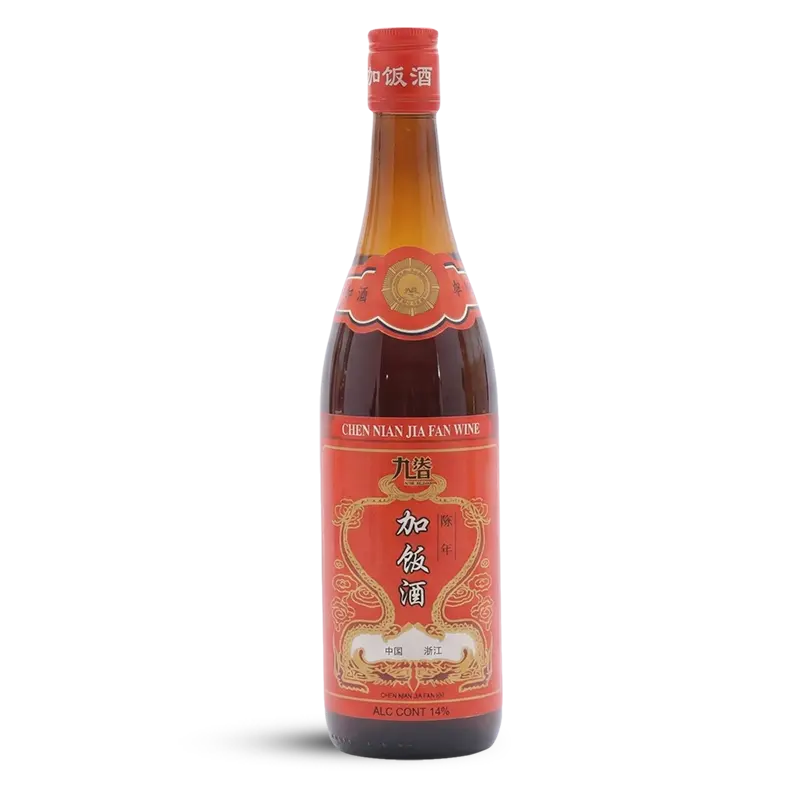
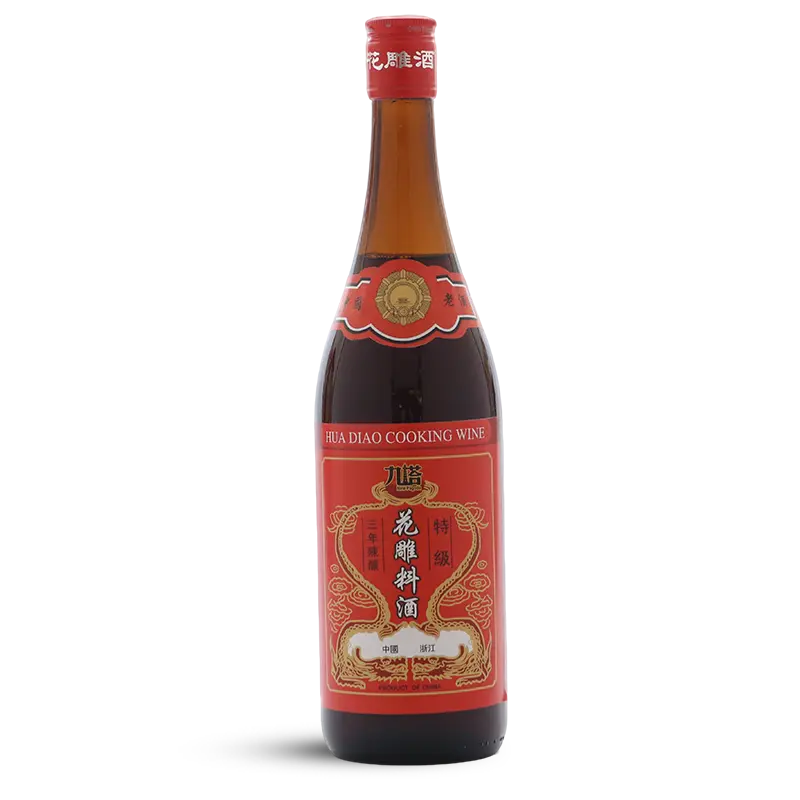
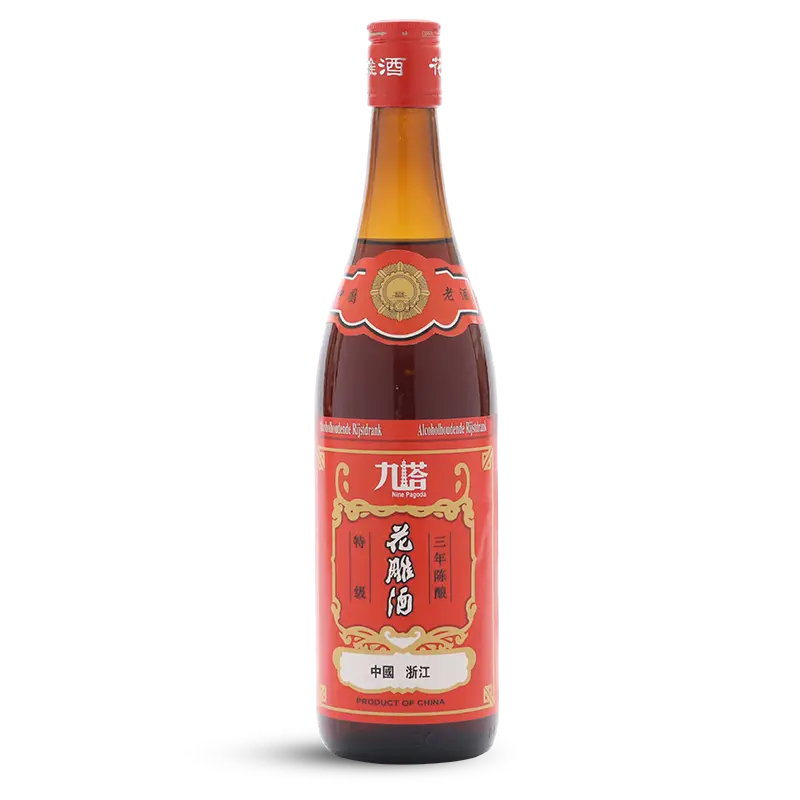
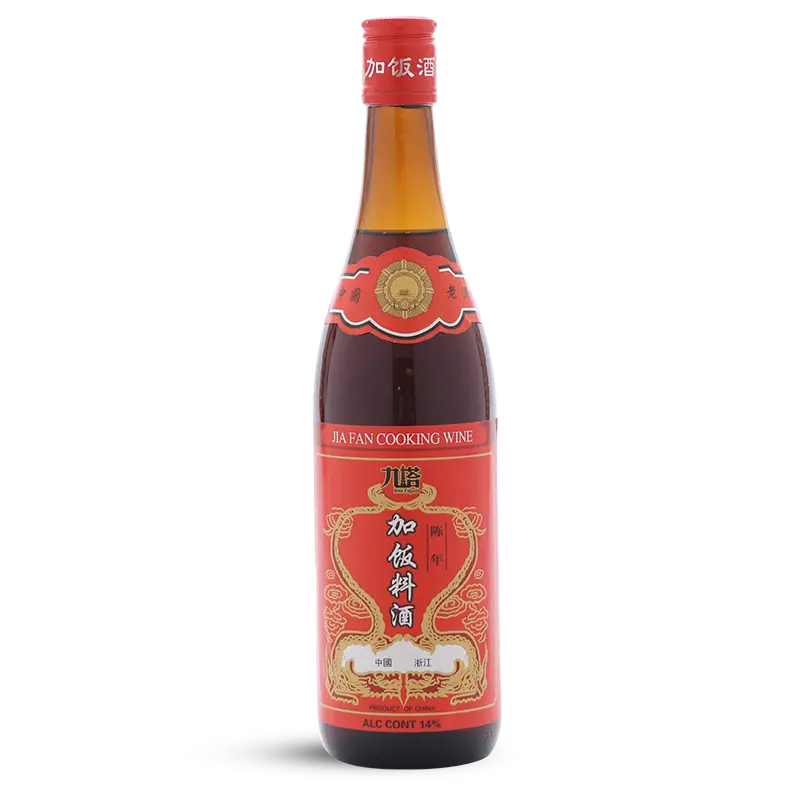
Shaoxing cooking wine is a traditional Chinese rice-based cooking ingredient widely used in Chinese and Asian cuisine. Made through fermentation, it contributes aroma, depth, and a mild fermented character to dishes and is commonly used with meat, seafood, vegetables, marinades, sauces, and braised foods.

Not all cooking wines have the same formulation or flavor. Alcohol content, salt level, fermentation method, aging, ingredients, and intended application can vary between products. Understanding these differences makes it easier for restaurants, food manufacturers, distributors, and importers to select a suitable option.

What Is Shaoxing Cooking Wine?

Shaoxing cooking wine is a Chinese rice wine traditionally associated with Shaoxing in Zhejiang Province. It is produced through the fermentation of rice and other grain ingredients, followed by processing steps such as clarification, blending, or aging, depending on the product and production method.

Unlike distilled spirits, fermented rice wine retains aromatic compounds produced during fermentation. Its taste can include mild sweetness, grain notes, fermented aromas, and a subtle savory character. These properties make it useful as a seasoning rather than simply an alcoholic ingredient.

Commercial varieties are formulated specifically for culinary applications. Some products may contain salt or other permitted ingredients depending on the market and product specification. For this reason, the ingredient list, alcohol content, and applicable labeling information should be checked before selecting a product.

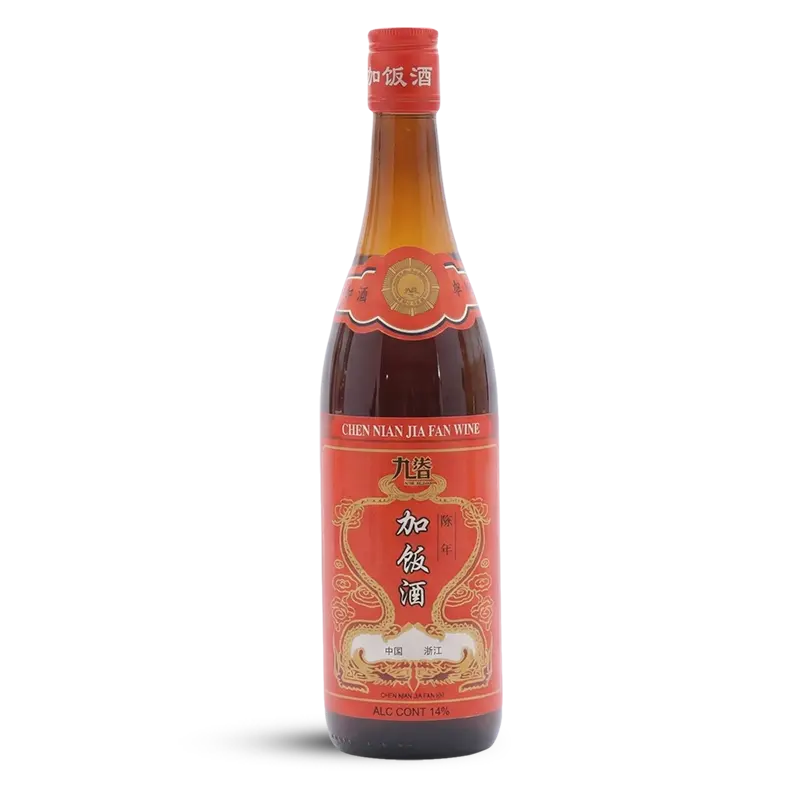
Shaoxing cooking wine

What Does It Taste Like?

The flavor of Chinese cooking wine is generally characterized by fermented grain aromas, mild sweetness, gentle acidity, and savory depth. The final profile depends on the rice used, fermentation conditions, processing method, aging period, and formulation.

Lighter styles may have a relatively clean and delicate aroma, while products with stronger fermentation or aging characteristics can provide deeper grain and fermented notes. The choice often depends on the ingredients and cooking method.

During cooking, heat causes part of the alcohol to evaporate while the remaining aromatic compounds contribute to the overall flavor. This is one reason fermented rice wine is frequently added to marinades, stir-fries, sauces, and slow-cooked dishes.

Common Uses of Chinese Cooking Wine

This type of rice wine is used in many Chinese recipes and can be incorporated at different stages of cooking. Common applications include marinating, stir-frying, steaming, braising, stewing, and sauce preparation.

1. Meat and Poultry

It is commonly added to pork, beef, chicken, and other meat dishes. In marinades, it can be combined with soy sauce, ginger, garlic, and other seasonings. During cooking, it contributes aroma and helps create a more rounded flavor.

2. Seafood

Fish, shrimp, crab, and other seafood are frequent applications. A moderate amount can complement the natural flavor of seafood and add a characteristic fermented aroma without requiring a large quantity.

3. Stir-Fried Dishes

When used in stir-frying, the wine is usually added with sauces, vegetables, meat, or seafood. The short cooking time allows its aroma to blend with the other ingredients while maintaining the overall balance of the dish.

4. Braised and Stewed Foods

Braised pork, chicken, beef, and other slow-cooked dishes can also benefit from fermented rice wine. As the ingredients cook for a longer period, the wine becomes integrated with the sauce and other seasonings.

5. Marinades and Sauces

The product can be combined with soy sauce, sesame oil, sugar, ginger, garlic, and other ingredients to create marinades or cooking sauces. The amount used depends on the recipe and the desired intensity of flavor.

Shaoxing Wine vs. Shaoxing Cooking Wine

The terms “Shaoxing wine” and “Shaoxing cooking wine” are closely related but should not automatically be treated as identical. Shaoxing wine is a broader term for fermented rice wine associated with the Shaoxing region, while cooking varieties are specifically formulated or marketed for culinary use.

Feature Shaoxing Wine Cooking Wine
Primary use Drinking or cooking, depending on the product Primarily intended for culinary applications
Flavor May range from light and aromatic to deeper aged styles Generally formulated to complement food
Ingredients Varies by product May include salt or other permitted ingredients
Applications Drinking, cooking, marinades, and sauces Marinating, stir-frying, steaming, braising, and food preparation

Because formulations can differ between manufacturers and markets, the product label and technical information should be reviewed when a specific ingredient profile or alcohol level is required.

How to Choose the Right Product

The appropriate cooking wine depends on the recipe, flavor requirements, packaging format, and intended market. For restaurants and food manufacturers, consistency and supply conditions are also important considerations.

1. Check the Ingredients

Review the ingredient declaration to determine whether the product contains rice, water, salt, sugar, or other ingredients. This is particularly relevant to food manufacturers and importers that need to meet specific formulation and labeling requirements.

2. Match the Flavor to the Application

A lighter flavor may work well with seafood, vegetables, and delicate sauces, while a richer fermented profile can be suitable for braised meat and stronger savory dishes. Sampling different formulations can help determine which profile fits a particular recipe.

3. Review Alcohol Content

Alcohol levels can vary between products. Restaurants, food processors, and importers should confirm the stated alcohol content and make sure it is appropriate for the intended application and destination-market requirements.

4. Consider Packaging and Shelf Life

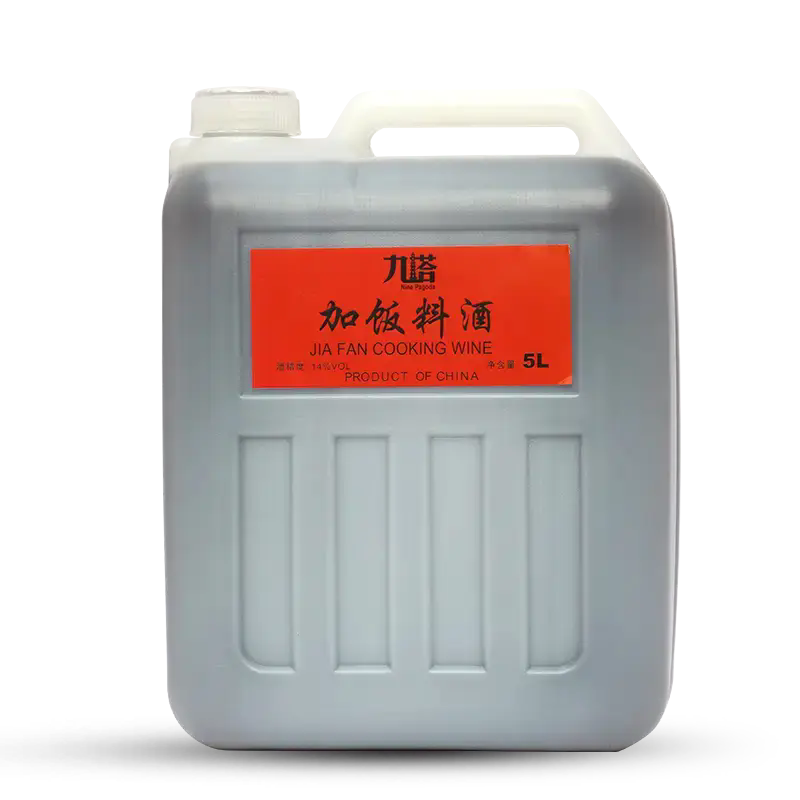
Small bottles are generally convenient for household and restaurant kitchens, while foodservice operations and distributors may require larger containers or bulk formats. Packaging should be evaluated together with shelf life, transportation conditions, storage requirements, and target-market labeling.

5. Evaluate the Manufacturer

For commercial sourcing, factors such as production experience, quality-control procedures, documentation, packaging capability, export experience, and supply consistency can be as important as the product itself.

Companies developing private-label products should also confirm whether the manufacturer can support customized formulations, bottle sizes, labels, cartons, and other packaging requirements.

How Is Chinese Rice Wine Made?

The production of traditional Chinese rice wine starts with the preparation of rice and other raw materials, followed by fermentation and subsequent processing. Microorganisms, fermentation conditions, raw material quality, and processing techniques all contribute to the characteristics of the finished wine.

Fermentation temperature and duration can influence aroma, acidity, sweetness, and other sensory characteristics. After fermentation, manufacturers may use clarification, filtration, blending, or aging processes according to the intended product style.

Modern commercial production can combine established fermentation practices with controlled processing and quality-management procedures. This helps manufacturers maintain more consistent flavor and product specifications between production batches.

How to Store Cooking Wine

Storage conditions can affect the quality and shelf life of fermented cooking wine. Unopened bottles should generally be kept in a suitable environment away from excessive heat and direct sunlight, following the manufacturer's recommended storage conditions.

After opening, the container should be properly sealed and stored according to the product label. Commercial users should also consider warehouse temperature, packaging integrity, transportation conditions, and inventory turnover when managing larger quantities.

What Matters for Restaurants and Food Manufacturers?

Commercial users often have requirements that go beyond flavor. Restaurants may prioritize consistent taste and convenient packaging, while food manufacturers may require specific ingredient ratios, alcohol levels, packaging formats, and documentation.

For distributors and importers, additional considerations can include MOQ, production capacity, shelf life, export documentation, packaging customization, and long-term supply stability. These factors can become particularly important when the product is used across multiple production batches or sold under a private label.

Sourcing Cooking Wine from China

When sourcing fermented rice wine from China, importers can assess manufacturers based on their production facilities, quality-control procedures, product range, packaging capabilities, documentation, and experience with international markets.

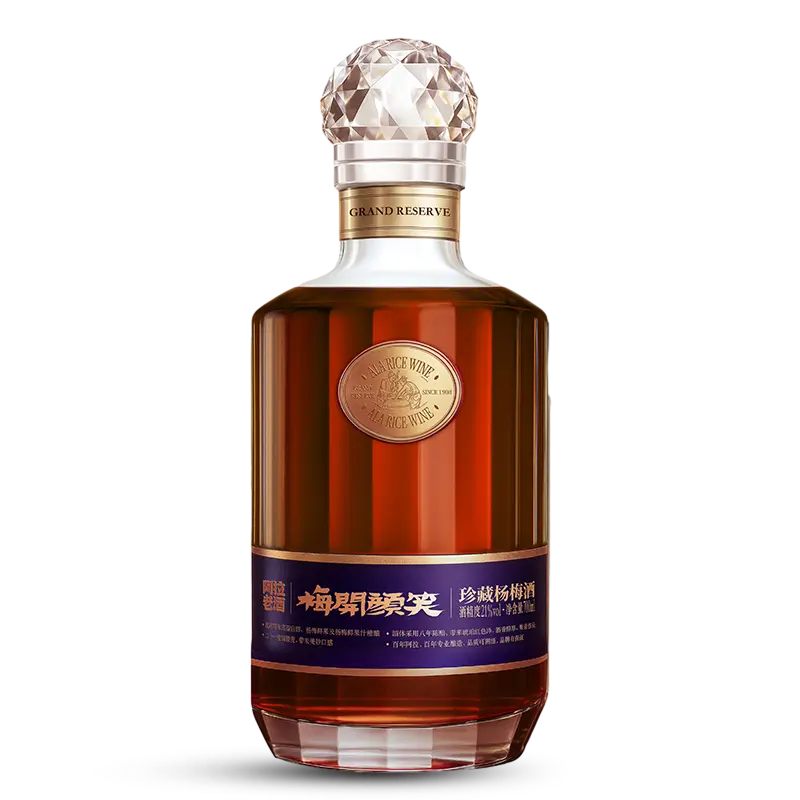
ALA provides Chinese rice wine and cooking wine products for foodservice, distribution, and other commercial applications. Its range includes Shaoxing-style cooking wines and other traditional Chinese wine products, with different product and packaging specifications available for various market requirements.

For OEM and private-label projects, it is useful to define the required flavor profile, alcohol content, ingredients, bottle size, labeling requirements, packaging format, MOQ, and destination-market regulations before production begins.

Frequently Asked Questions

Is Shaoxing cooking wine the same as rice wine?

It is a type of fermented rice wine used for culinary purposes, but the terms are not always interchangeable. Rice wine is a broader category, while Shaoxing-style cooking products are specifically associated with Chinese culinary applications.

Can it be used for marinades?

Yes. It is commonly incorporated into marinades for meat, poultry, seafood, and vegetables. It can be combined with soy sauce, ginger, garlic, sugar, and other seasonings.

What dishes commonly use this type of wine?

Common applications include stir-fries, braised meat, steamed seafood, marinades, sauces, soups, and other Chinese and Asian dishes.

Does it contain alcohol?

Yes. It is a fermented alcoholic product, although the exact alcohol content varies according to the formulation. The product label or technical specification should be checked for the applicable value.

How should it be stored after opening?

The bottle should be tightly sealed and stored according to the manufacturer's instructions. Avoid excessive heat and direct sunlight, and follow the stated storage and shelf-life recommendations.

Can cooking wine be customized for private-label production?

Depending on the manufacturer, commercial products may be available with customized formulations, bottle sizes, labels, cartons, or other packaging specifications. Importers should confirm available options, MOQ, and regulatory requirements before placing an order.

Choosing the Right Product for Your Application

The right fermented cooking wine depends on more than its name. Flavor intensity, fermentation characteristics, ingredients, alcohol content, packaging, shelf life, and intended use should all be considered when selecting a product.

For restaurants and food manufacturers, consistency and specification control are particularly important. For importers and distributors, production capability, packaging options, documentation, MOQ, and customization support can also influence the suitability of a long-term supply program.

Related News
Leave me a message
X
We use cookies to offer you a better browsing experience, analyze site traffic and personalize content. By using this site, you agree to our use of cookies. Privacy Policy
RejectAccept